
On Sunday, one of the most viewed YouTube videos in internet history was sold as an NFT for over $700,000. The famous “Charlie Bit My Finger” video, which has over 800 million YouTube views, was auctioned off on a blockchain, with a winning bid of $760,999. The original video will soon be removed from YouTube, after being published 14 years ago on May 22, 2007. This isn’t the first viral video to be auctioned off for thousands of dollars as an NFT, and it certainly won’t be the last. But what exactly is an NFT?
An NFT, non-fungible token, is a digital asset that is stored on a blockchain, which is basically a type of digital platform. The NFT is unique and not interchangeable, hence the name non-fungible token. NFTs can be a variety of digital pieces, audio, video, photos, tickets, and other types of digital files. You can think of them as a type of digital collectible, like a digital sports card almost.
CryptoKitties Helped Skyrocket The NFT Market
NFTs have been around since the early-to-mid 2010s, but they really started gaining traction in 2017 when the game CryptoKitties, became popular and cumulated over $12 million in sales in 2017. Cryptokitties was a game that let you collect, breed, and sell digital cats on a Ethereum blockchain.
While CryptoKitties has died down tremendously, many NFT marketplaces use a similar concept, selling NFTs on a Ethereum blockchain, where you can buy and sell them using cryptocurrencies such as Ether. This is why we’ve seen Ether have so much success lately, and it has the second highest market cap among all cryptos behind Bitcoin. When buying an NFT, you’ll use a digital wallet that’s compatible with that NFT marketplace. Some of the top marketplaces include OpenSea, Rarible, and Foundation.
The Future of NFTs
There are still some concerns surround these non-fungible tokens, some of them being more alarming than others. You generally don’t own the copyright of the original content of the NFT that’s purchase. This means the original creator retains the rights of reproduction, adaption, publication, and performance of the work. So in most cases you wouldn’t be able to edit or mass produce the digital asset you bought. But most people still buy NFTs because you own that asset on a blockchain, and it’s protected on the blockchain network, so others just can’t simply steal the video and try selling it themselves as an NFT.
Another concern for NFTs are gas prices. Gas prices in relation to NFTs are fees that can involve the process of minting the artwork into an NFT, and also transaction fees. Gas fees on Ethereum blockchains can get expensive and that is one of the top complaints by consumers. There are carbon emissions concerns relating to Ethereum because the blockchain consumes a lot power to operate. But with recent developments by Ethereum, and other NFT marketplaces starting to run on more efficient and cheaper blockchains, those concerns may be a thing of the past.
NFTs Have A Positive Outlook
Even though there are still multiple concerns and questions surrounding NFTs, they have benefited many traditional artists, and content creators of the future. Certain artists don’t have to worry about relying on a middleman such as an arthouse, and having to pay other people or companies to promote their work. They can simply upload their artwork, put it up for auction, or sell it for a set price on an NFT marketplace. Depending on the marketplace, that artist can even receive royalties if the digital asset is resold.
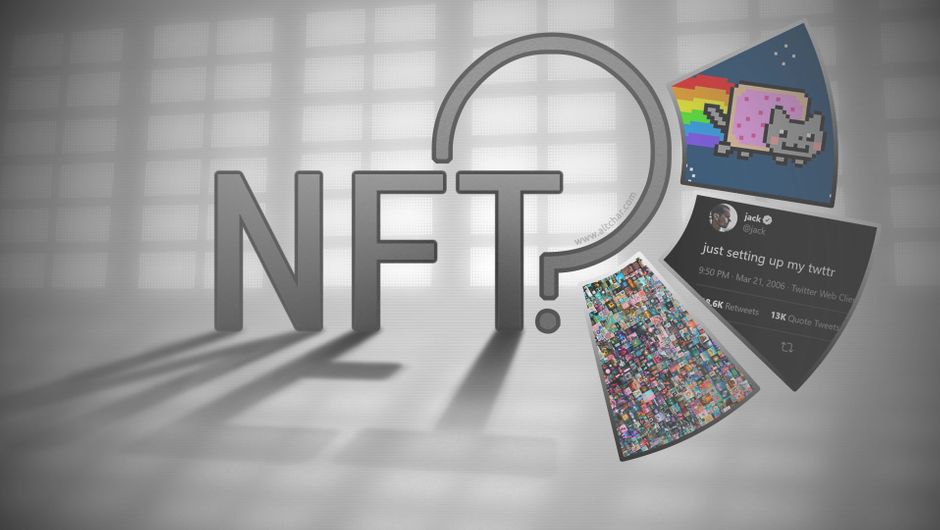
People who’ve had photos or videos go viral, are also reaping the benefits of the NFT marketplaces. Zoë Roth, who’s known for the famous Disaster Girl meme, sold that original photo as an NFT for $473,000 in April. Chris Torres, the creator of the viral Nyan Cat meme, sold the video for nearly $600,000. With many content creators staying at home in 2020, the NFT market grew by 299% last year. And as the digital world continues to grow rapidly, NFTs look like they’ll be a part of the near and distant future.
 honchohub.com