
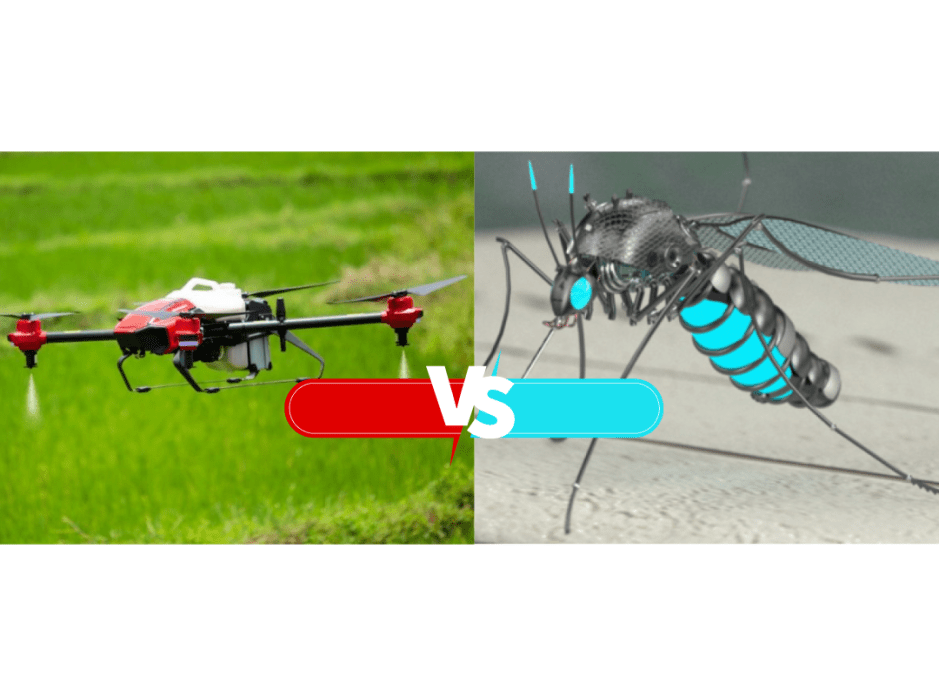
Mosquitoes play a vital role in the environment, helping pollinate certain plants and serve as a primary food source for fish, birds, and other animals essential to the ecosystem. However, their presence can sometimes pose more risk than reward, as they can transmit life-threatening diseases across both humans and animals. So how can drones help control the skies and save lives?
Drones have been increasingly adapted for sustainability and agriculture, reaching terrains humans can’t safely access, while dispersing fertilizer, pesticides, and other particles from the sky. And for mosquitoes, they’re receiving a special package from drones.
Using Drones To Drop Mosquito-Killing Bacteria
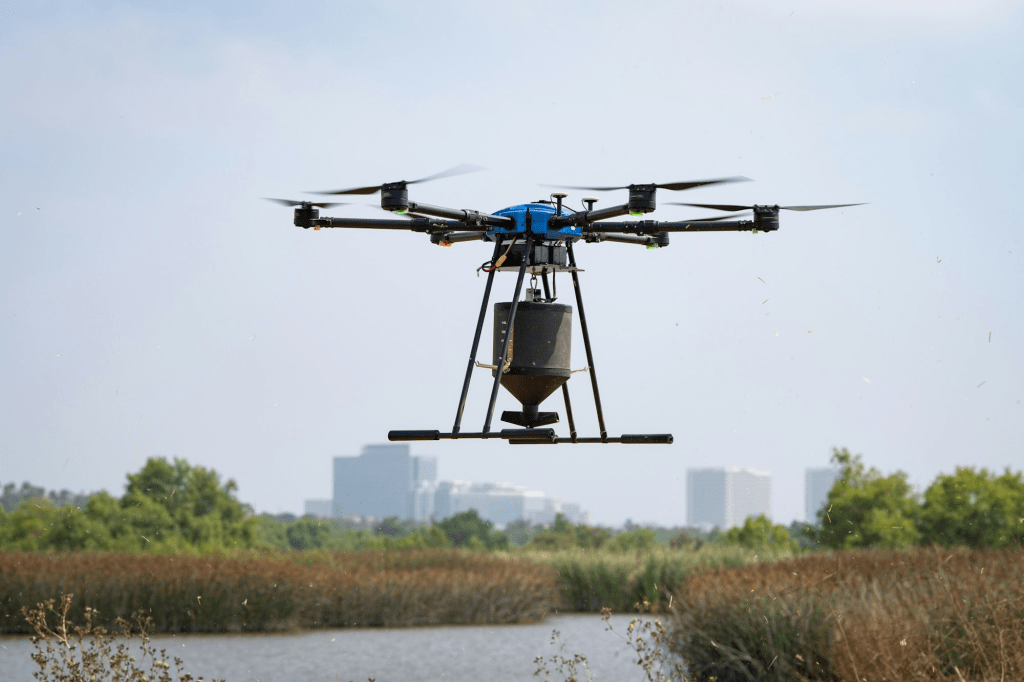
Cities like Las Vegas, Minneapolis, and Sacramento use drones equipped with tanks to disperse pesticides/bacteria that are specifically designed to eliminate mosquito larvae, and isn’t harmful to humans or pets. The idea is mitigate the overpopulation of these bloodsuckers, as they aren’t just a nuisance, but overpopulating increases the risk of spreading serious diseases such as West Nile virus. The pesticides are released onto standing water, the most common breeding grounds for mosquitoes.
Using Drones To Deploy Lab-Modified Mosquitoes

While it’s unlikely that secret labs are engineering mosquito super soldiers, labs around the world are using drones to release swarms of their own: sterile male mosquitoes. When they mate with local females, the eggs don’t hatch, helping reduce the population. Another plus is that male mosquitoes aren’t capable of biting. This procedure has shown promising results in Brazil, where the tropical terrain is favored by mosquitoes and more often carry life-threatening diseases including dengue, yellow fever, and zika.
In Hawaii, these sterile soldiers are being deployed to help save endangered honeycreeper birds, which are near extinction due to a fatal avian malaria that’s transmitted by the insects. Mosquitoes aren’t even native to the islands – they were accidentally introduced in 1826 by a whaling ship.
Can Drones Control The Rising Mosquito Population?
Climate change is creating warmer climates that allow mosquitoes to survive longer throughout seasons, as well as expand into regions they were once rare. This raises the risk of potential population surges and disease outbreaks. However, as more nations adopt this unique drone technology, it will be much easier to mitigate these bloodsuckers.
 honchohub.com