
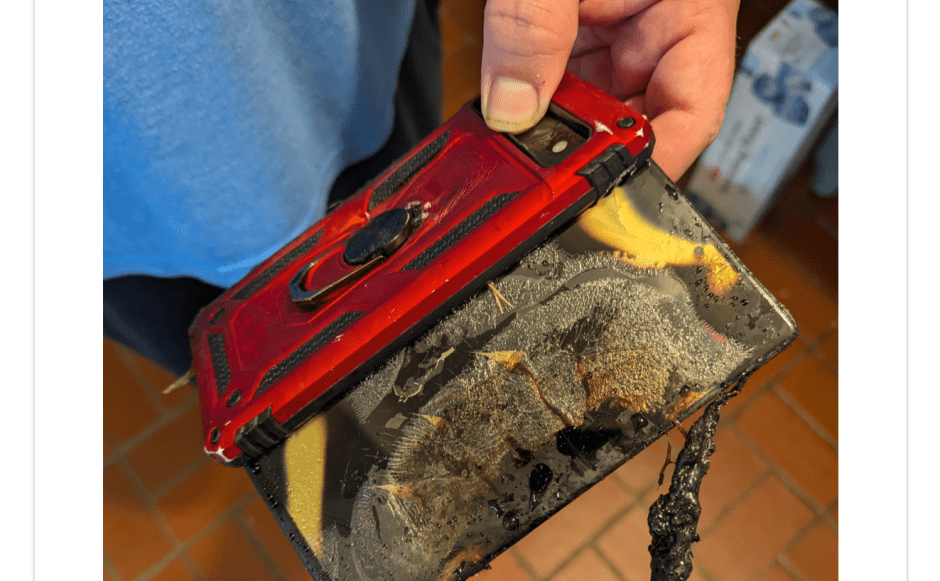
The Google Pixel A-Series has been a lifesaver for people wanting to get a quality phone at an affordable price. But now, numerous generations of the phone have sometimes become life-threatening. Is this just another case of you get what you pay for?
The Google Pixel 6a Has Caught On Fire Multiple Times
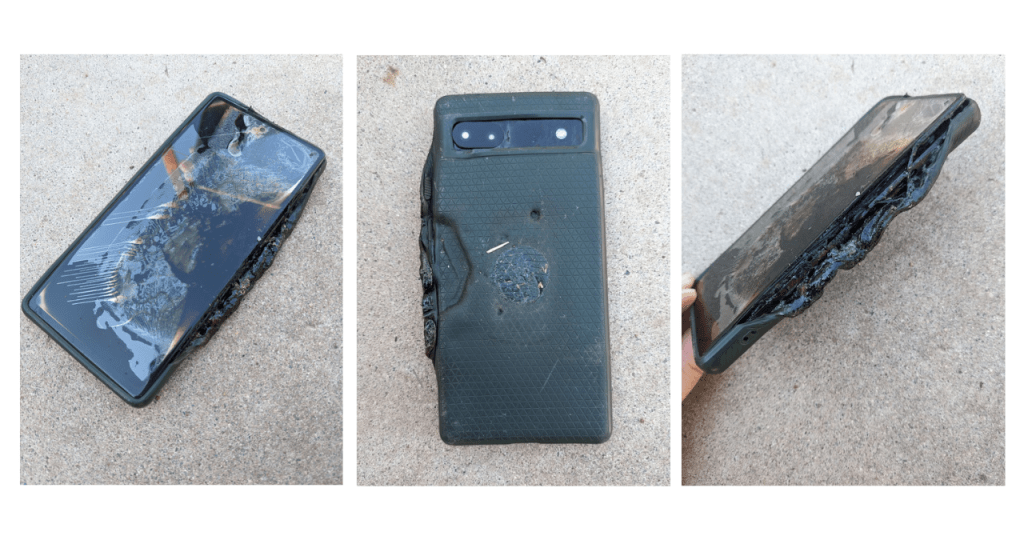
In recent months, several Google Pixel 6a users have reported their phone catching fire, with incidents dating as far back as 2022 when the phone was released. Along with combustion concerns, some users experienced the batteries swelling. It’s unclear why these batteries are catching on fire, but some speculate that the use of third-party charges and cases that aren’t properly compatible with Pixel A-Series, interfering with the phone’s thermal regulation, and increasing the likelihood of overheating.
In Australia, the Pixel 4a was recalled in March due to similar concerns. Google responded with a software update that reduces batter capacity and charging speeds permanently, designed to mitigate overheating. However, this has made the phone nearly unusable for many users due to the battery already having years of usage. A similar update is planned for the 6a in July, where battery capacity and charging speeds will automatically slow down after 400 charging cycles, which would affect most users who purchased the phone in 2022.
Should Google Discontinue The Pixel A-Series?
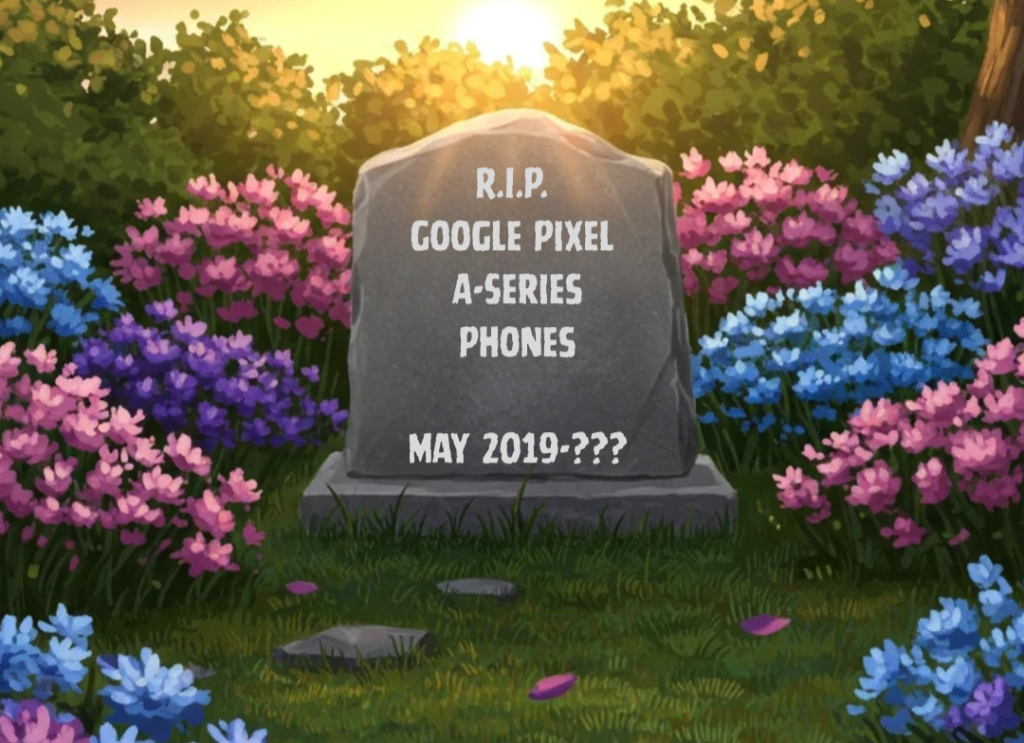
It’s tough to call for the end of one of the best affordable smart phones on the market. But if Google continues the series, battery safety needs to be a top priority moving forward.
Recently tech reviewer JerryRigEverything inspected the Pixel 9a and found excessive amounts of adhesive securing the battery, so much that even isopropyl alcohol didn’t help loosen it. He struggled to remove the battery without puncturing it, which could cause an explosion. The YouTube star also noted that Google is one of the very few companies using this much permanent glue. If the battery can’t be easily removed, it can’t be safely recycled, and scraping glue off is both dangerous and inefficient. So the batteries aren’t just hazardous, they’re unsustainable.
Google recommends that all Pixel users, starting with the Pixel 3, replace their battery once capacity drops below 80%. That’s difficult to gauge though as only the Pixel 8 and newer models can display battery charge cycle counts, while the 6a and 7a doesn’t even have the option to monitor battery health status.
If you own or plan to buy a Pixel A-Series phone, Google suggests only using its official chargers and cases to reduce the risk of hazards. Still, proceed with caution.
 honchohub.com